We're Sorry! YOU NEED TO BE OF LEGAL AGE TO VIEW THIS WEBSITE.

BEFORE ENTERING THIS SITE, YOU MUST BE OF LEGAL AGE IN ACCORDANCE TO THE LAW OF YOUR PROVINCE.
By entering you confirm you’re of the legal age in your current location.
People use “craft” and “commercial” like they are opposites. Sometimes they are. Sometimes they overlap. But most of the time, the difference comes down to one thing:
Scale.
Craft cannabis is built around small-batch production and hands-on work. Commercial cannabis is built around large-scale production and high-volume workflows. Both can be legal. Both can meet the same testing rules. But their processing workflow, room sizes, and handling practices are not the same.
And the quality of the output?
We’ll let you decide but we know where we stand.
This guide explains those differences in plain language, from the growing environment to drying, curing, trimming, packaging, and the licences that shape each model in Canada.
Want to better understand craft cannabis like how it’s grown? Check out Craft Cannabis in Canada
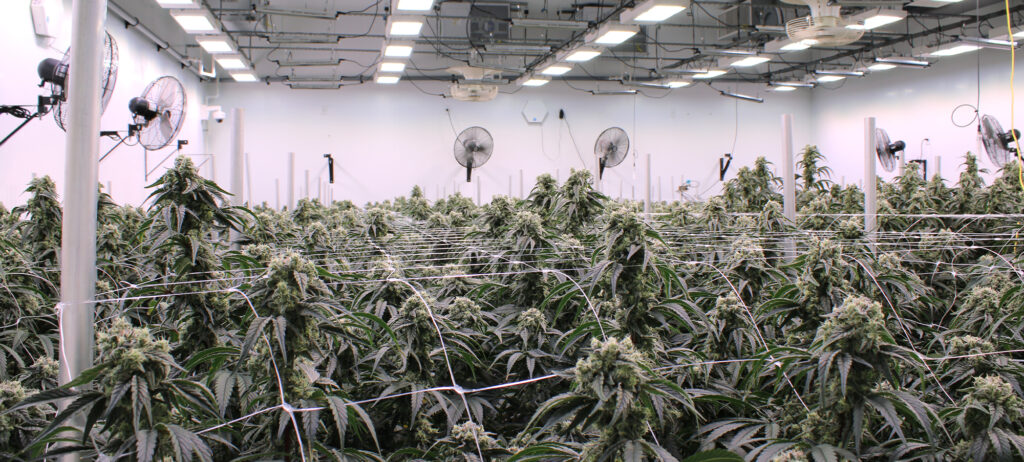
Craft cannabis usually means small-batch dried flower grown at a human scale.
That scale matters because it allows:
Craft growers often talk about cultivar genetics and cultivar lineage first. They pick plants for aroma and structure, not just yield. They can do this because the canopy size and batch size stay limited enough to manage closely.
Craft production is not a legal label in Canada. It is a community term. It is used to describe a set of traditional craft processes that show up again and again, especially in regions like British Columbia and Vancouver Island where small rooms and hands-on growing have deep roots.
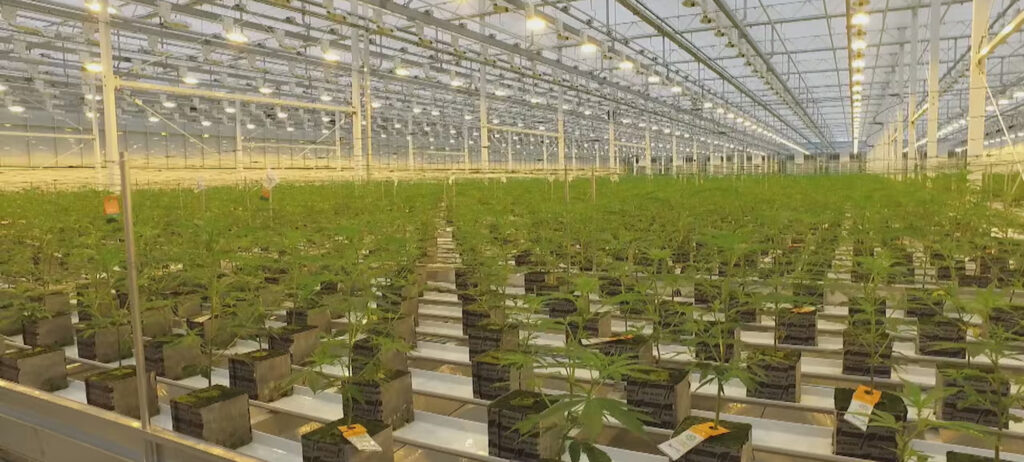
Commercial cannabis usually means cannabis produced at large scale with systems designed for throughput.
Commercial producers often operate in:
Large-scale production relies more on automation. That can include automated irrigation, environmental controls, and standardized harvest and post-harvest timelines. It also often includes faster post-harvest steps to move product through the system on schedule.
In Canada, commercial producers still operate under the Cannabis Act and Health Canada rules. They still follow testing, packaging, and record keeping requirements. The difference is the production method and the workflow priorities.
And, of course, the quality of what’s being produced.
Growing environment is where the split starts to show.
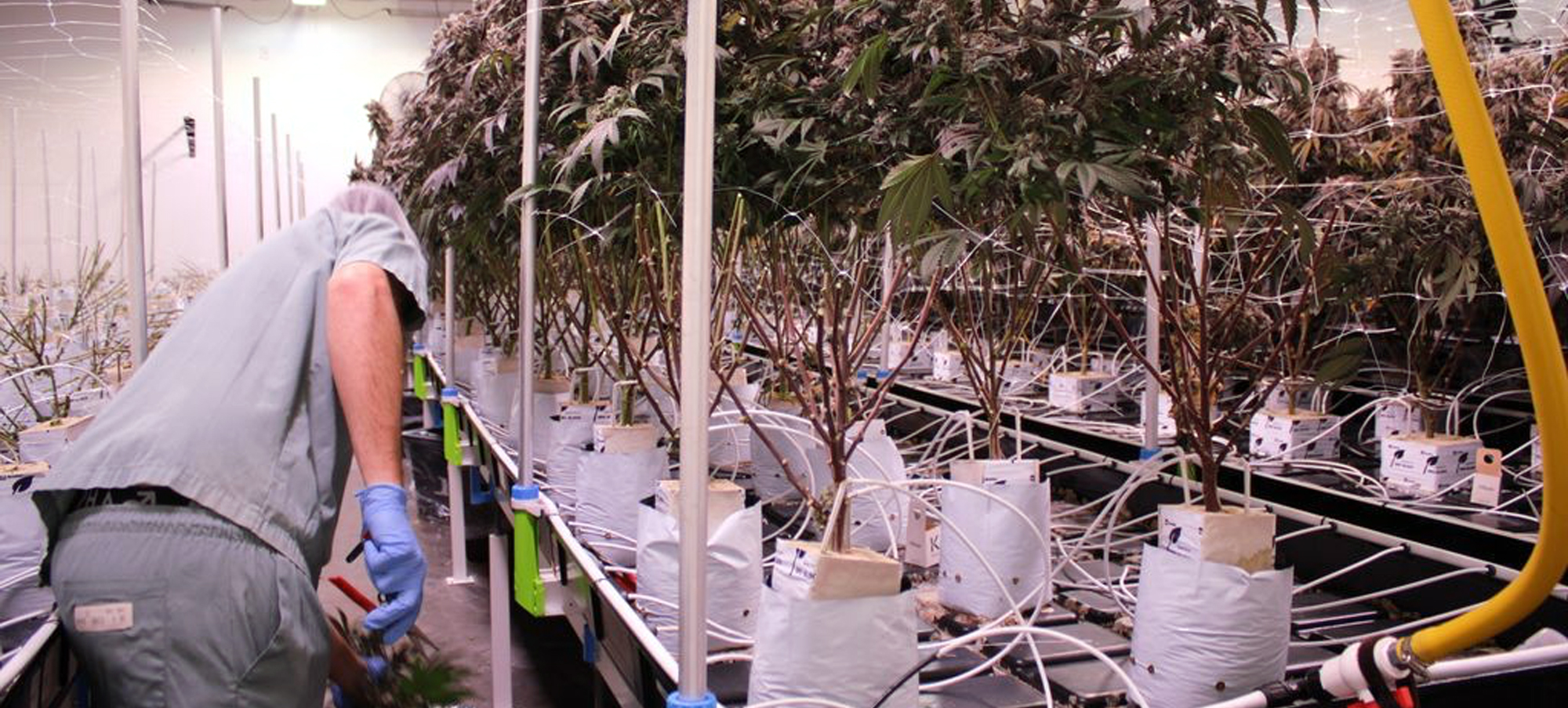
Craft growers usually manage a limited canopy size across fewer rooms. That makes daily plant checks realistic. It also makes hands-on plant training possible.
In a smaller room, a grower can notice:
These choices are really hard to make at scale.
Flirting with impossible.
Commercial growers often manage larger canopy areas under a standard licence. They may be running many rooms or large bays at once. They rely on consistency and repeatable systems.
That often means:
Both models can grow good cannabis. But the production scale shapes the cultivation methods and how much attention each plant can realistically get.
Drying and curing are where aroma and structure are either protected or changed by the process.
Craft producers often use:
Hang drying supports terpene retention because moisture leaves the plant more gradually. Slow curing helps stabilize aroma and helps buds reach a more consistent moisture balance within the batch.
Craft teams can also adjust drying room conditions batch by batch. Smaller runs make it easier to tune airflow and humidity to the cultivar and the harvest timing.
Want to get under VCC’s hood? Check out our ongoing series with head grower Taylor, “In the weeds” and articles like The Art of Curing Cannabis or Does Undercanopy Light Actually Make a Difference?
Commercial producers often need faster turnaround.
You may see:
Tunnel drying speeds production timelines. It helps facilities keep product moving through a high-volume workflow. It can also change how aroma presents in the final dried flower, depending on the settings and handling practices.
This is not a “good vs bad” question. It is a process difference driven by volume and scheduling. Curing time impacts aroma and consistency, and the chosen workflow shapes what is realistic.
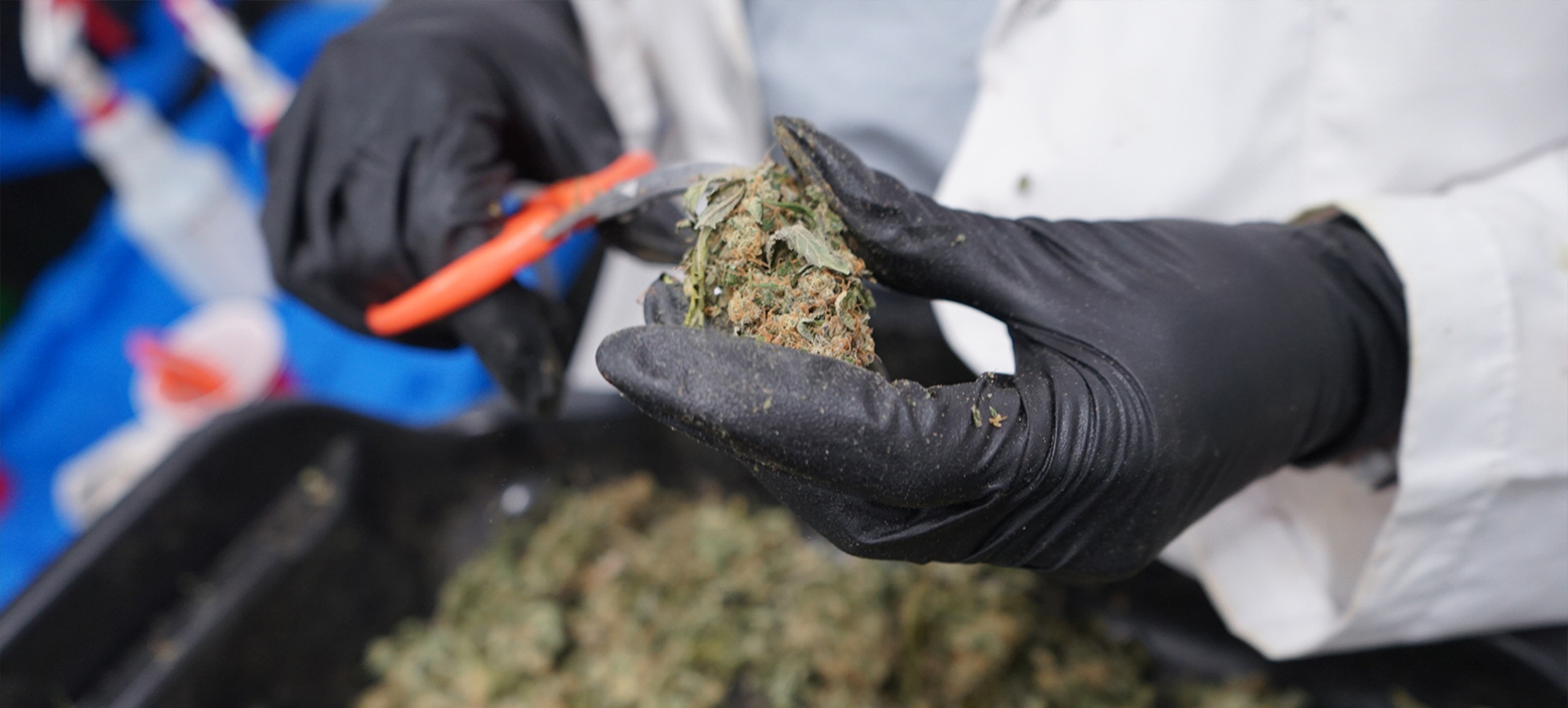
Trimming is a handling step. Handling is where trichomes can be protected or knocked off.
Craft producers often use:
Hand trimming preserves trichomes because the buds move less through machinery. It also helps keep flower structure intact. Craft teams tend to handle small-batch dried flower fewer times, which supports batch control.
Commercial producers often use:
Machine trimming increases processing efficiency. It also changes the handling profile. Buds move faster. Buds move more. That can affect shape and trichome preservation depending on how the system is run.
Again, this is about process, scale and overall quality.
You simply can’t produce great craft cannabis in giant batches, grown in rooms as big as 3 football fields.
Packaging is where scale becomes obvious.
Craft packaging often happens in smaller runs.
That can mean:
Many craft teams treat packaging as another QA point. They check structure and aroma before the jar closes.
Commercial packaging often happens on larger lines.
That can mean:
This is not only about speed. It is about the volume of dried flower that must move through the facility to keep the model working.
Canada’s legal system does not label products “craft” or “commercial.” It labels licences and requirements.
Under the Cannabis Act, Health Canada regulates:
A micro-cultivation licence limits canopy size. It is designed for smaller operations. Many craft growers choose micro licensing because it supports small-batch production and hands-on care.
A standard licence allows larger canopy areas. It supports large-scale production. It is commonly used by commercial producers that run high-volume workflows. Both types still need QA. Both still need compliant packaging. Both still need to pass testing and follow the same promotion restrictions.
After production, most legal product moves through provincial distributors. These include models like the Ontario system and British Columbia’s system.
Those distributors control wholesale supply into retailers. This matters because both craft and commercial products enter the same distribution channels. The differences are mainly upstream in production method and scale.

There is no official “craft” stamp. So look for process signals.
Here are simple clues that a product is tied to craft methods:
On the jar, the story is often indirect.
In the legal market, packaging space is limited.
But good producers still find ways to share the basics.
If the only story is a number, that is a sign too.

Victoria Cannabis Company operates inside the craft ecosystem, not above it.
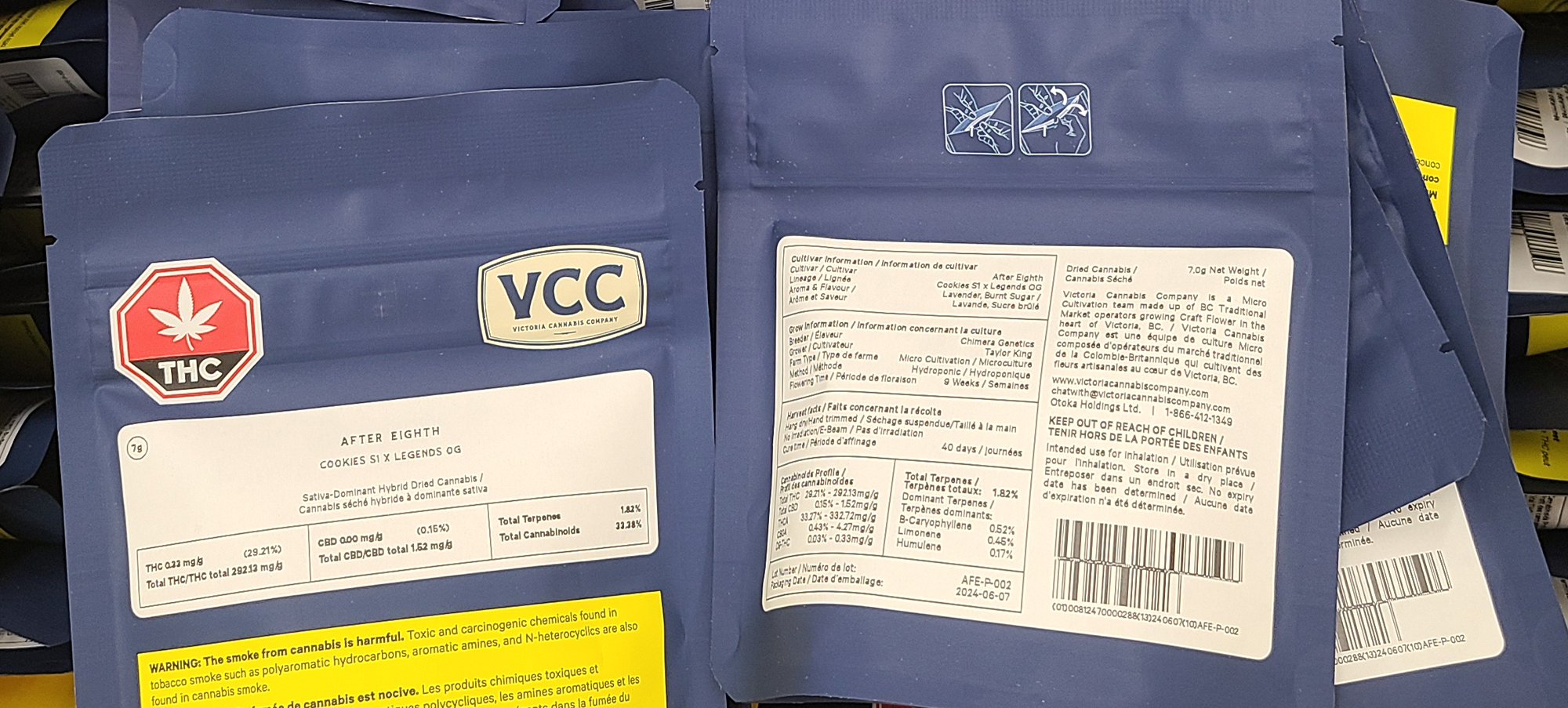
VCC is rooted in British Columbia and Vancouver Island, where small rooms and hands-on production have been part of cannabis culture for decades. We work with growers and teams who value traditional craft processes like hang drying, slow curing, and careful handling.
We pay attention to batch control and how dried flower moves from harvest timing to final packaging.
We are not the only people doing this in Canada. There are many craft producers across BC and beyond. Our role is to help consumers understand what the word “craft” can mean in practice, and to keep that knowledge visible in a market full of vague labels.
If you want the full foundation behind these terms, start at our Craft Cannabis in Canada hub, then explore traditional craft cannabis and our craft approach for the deeper story.
If you are local, you can also use where to buy craft in Victoria and the Victoria cannabis store listing to find legal retailers on Vancouver Island.