Craft Cannabis: The Complete Guide
Craft cannabis is small-batch cannabis grown with traditional hands-on methods like hang drying, hand trimming, and cold curing.
At Victoria Cannabis Company, craft is an ethic rooted in BC’s traditional market. It means respecting the plant, choosing growers who share our values, and focusing on aroma, flavour, structure, and careful handling instead of THC scores or mass production.
This guide brings that definition to life. It explains what craft cannabis means to VCC, how it is grown, the methods behind it, and how small-batch culture shapes the final product you actually hold in your hand.
Table of Contents
Introduction
Before “craft cannabis” turned into a tagline, it was just the way people grew on the West Coast.
On Vancouver Island, small rooms full of plants were part of everyday life long before anyone in Ottawa drafted a regulation. Families knew the sweet, electric smell of a flowering room the way they knew the smell of cedar or salt air. Cannabis was not a gimmick. It was agriculture, side income, mutual aid, and local culture, even when it lived out of sight.
Now the word “craft” shows up on a lot of packaging.
Some of those products honour that history.
Some of them are craft in name only.
We are not here to hand out certifications. We are here as students and practitioners of craft. It is the world we come from and the standard we hold ourselves to.
So we built Craft Cannabis: The Complete Guide as a living document. It gathers what we believe makes cannabis craft, based on decades of BC tradition and today’s legal reality. We will keep it updated as the culture, laws, and language evolve.
In the sections that follow, you will see what craft cannabis really means, how it is grown, how it differs from large commercial production, and how traditional BC methods now operate within the legal market. This page is also your hub for exploring traditional craft cannabis across the rest of our site.
What Craft Means to Victoria Cannabis Company
We keep rooms small. Growers can walk the entire canopy, see every tray, and notice when posture, colour, or resin development changes. That scale leaves room for instinct. It lets experience matter.
We do not chase THC numbers. We pay closer attention to terpene expression, nose, flavour, and bud structure. A batch with balanced lab results, strong aroma, and consistent structure means more to us than a label with one very high figure and nothing else going for it. the work done in the grow room is not undone at the final step.
We choose growers who share legacy ethics. Most of them are the same people who helped build BC’s reputation in the first place. We visit their facilities, listen to how they talk about their plants, and pay attention to how they treat their teams. Our curation starts with respect for the plant and ends with respect for the person who opens the jar
You can see more of how this plays out in our day-to-day work in our craft approach at Victoria Cannabis Company.
Core Craft Cannabis Methods
Craft lives in the details. Ask enough legacy-informed growers about their process and a few patterns keep coming up.
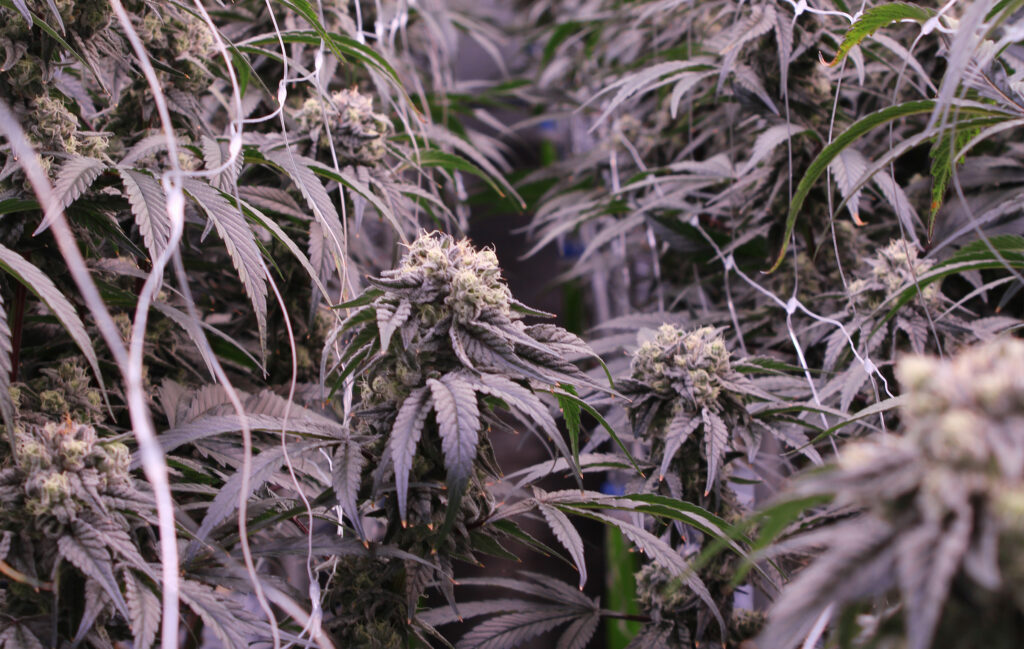
Hang drying is one of the big ones. Instead of sending wet flower straight into hot, fast dryers, plants are harvested and hung in climate-controlled rooms. Moisture leaves slowly. The structure stays intact. Terpenes have a better chance of surviving the journey.
Hand trimming is another anchor. Trimmers finish the buds with scissors and gloved hands. That keeps the natural shape of the flower, avoids flattened edges, and helps protect the trichomes that hold terpenes. Some producers do use small, gentle machines at low speeds, but true craft finishing still involves human hands and eyes.
Long, slow curing might be the most under-appreciated step. Once the flower is dry, it rests in bins or vessels where humidity can stabilize. Cold cure practices keep temperatures low to guard aroma and reduce harshness. This is where a terpene profile rounds out and finds its balance.
-> Want to learn more about how we cure? Check out The Art of Curing Cannabis by VCC Head Grower, Taylor.
Small-batch production makes these choices possible. Limited batch size gives growers better batch control, more insight into cultivar behaviour, and more room to fix small issues before they become big ones. In some rooms, you will also see living soil organics. LSO connects cannabis to older farming traditions and reflects legacy values around soil health and plant resilience.
No regulator hands out a checklist for “craft methods.” These practices have evolved through years of community trial and error. They show up again and again in stories from growers who care more about identity and expression than pure volume.
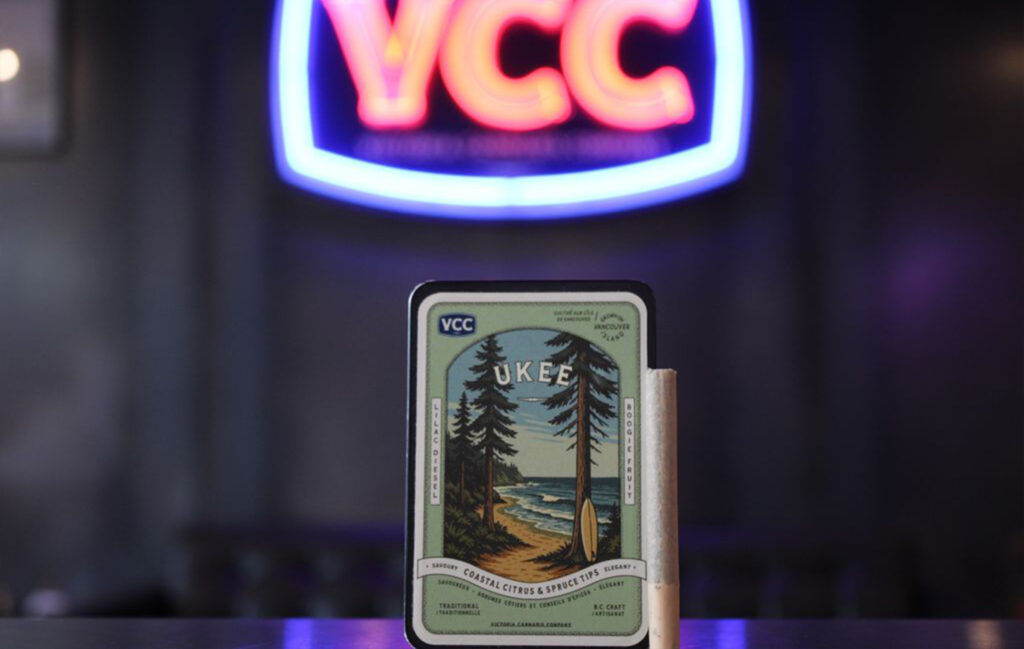
In practice, that usually looks like:
- a limited number of plants per room
- growers who train and check plants by hand
- hang drying instead of fast mechanical drying
- longer cure times instead of rushing to market
- trimming and handling that protect trichomes and aroma
There is no legal threshold that instantly turns a crop into “craft.” The Cannabis Act never uses the word. The idea comes from the people who grow, sell, and consume it. When growers, budtenders, and customers all recognise the same signs of care, the word “craft” means something.
So when you see “craft cannabis” on a Canadian label, you are looking at a promise between producer and consumer, not a government category. The rest of this guide shows how that promise gets honoured in real grow rooms, drying spaces, and curing jars.
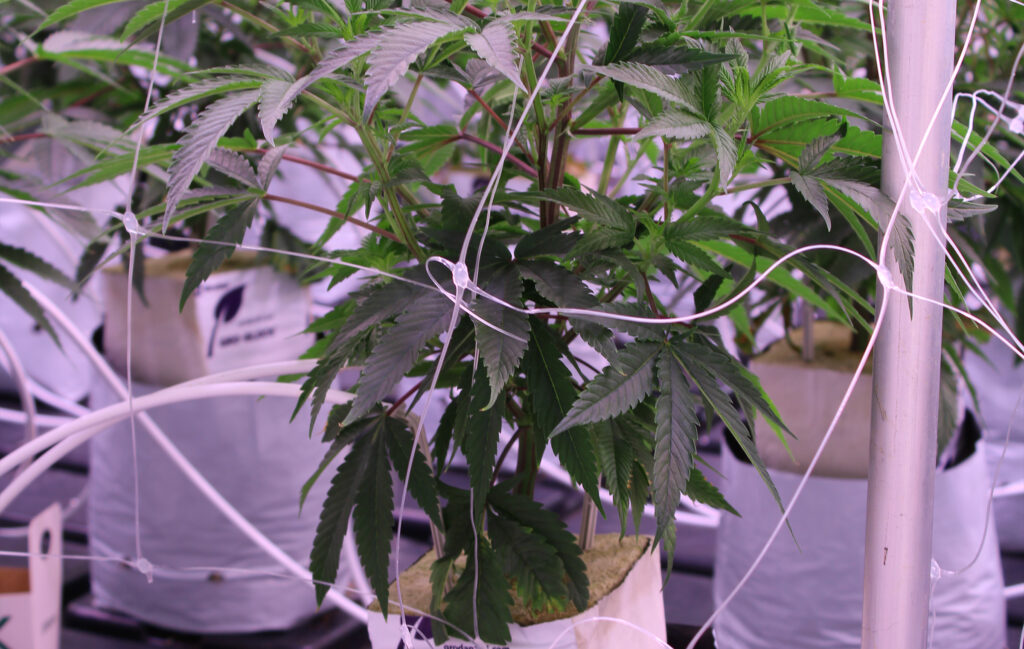
Growers begin with genetics. They choose cultivars for lineage, structure, and terpene profile, not only for yield or trend appeal. They ask how a plant behaves in a small room, how it responds to training, and whether it fits their style of growing.
From there, everything stays at a human scale. Rooms are sized so you can walk end to end in a few steps. Lights, fans, and feed schedules are adjusted based on what growers see and smell, and on what they remember from previous runs. Hands train plants. Eyes check trichomes. No dashboard can fully replace that.
Harvest timing hinges on trichome maturity and aroma rather than an exact day count. Plants are taken when they are ready, not when a calendar hits a certain number. After that, branches are hang dried in controlled conditions and cured slowly so aroma can settle and structure can hold. Trimming is done by hand or through very gentle methods that respect the trichomes. Only then does a batch move toward packaging and the legal supply chain.
For a more detailed, step-by-step walkthrough from seed to jar, you can read our full story on how craft cannabis is grown.
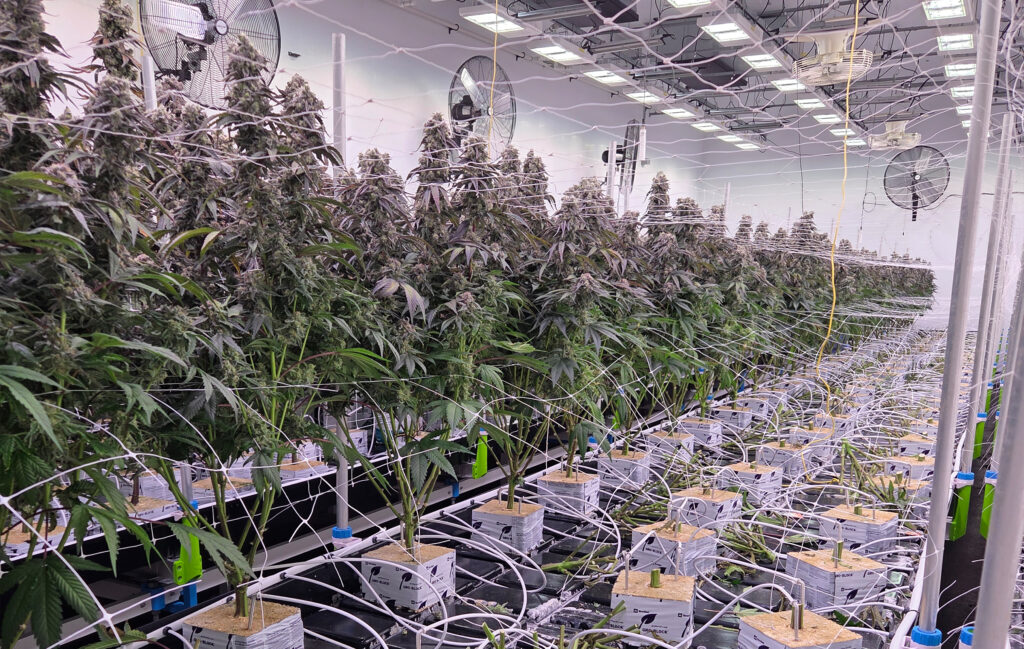
Commercial cannabis is built around scale.
Large facilities may run thousands of plants under one licence. Automation handles much of the feeding, climate control, and even parts of the harvest. Drying, curing, and trimming are tuned to keep a high volume of product moving through the system. It is a model designed for reach.
Craft production is built around attention.
Smaller rooms mean fewer plants per batch and more hands-on time for each one. Drying and curing can take longer. Trimming is slower. Quality checks can be more detailed because there is less volume in each lot. The focus is on cultivar expression and consistency, not just on throughput.
On the shelf, both models share the same legal spine. They go through the same provincial distributors, carry the same excise stamps, and follow the same testing rules. The real separation happens behind the scenes in room size, workflow, and how much human judgment is allowed to steer decisions.
If you want to see this comparison laid out more clearly, our craft vs commercial production guide explores both models side by side.
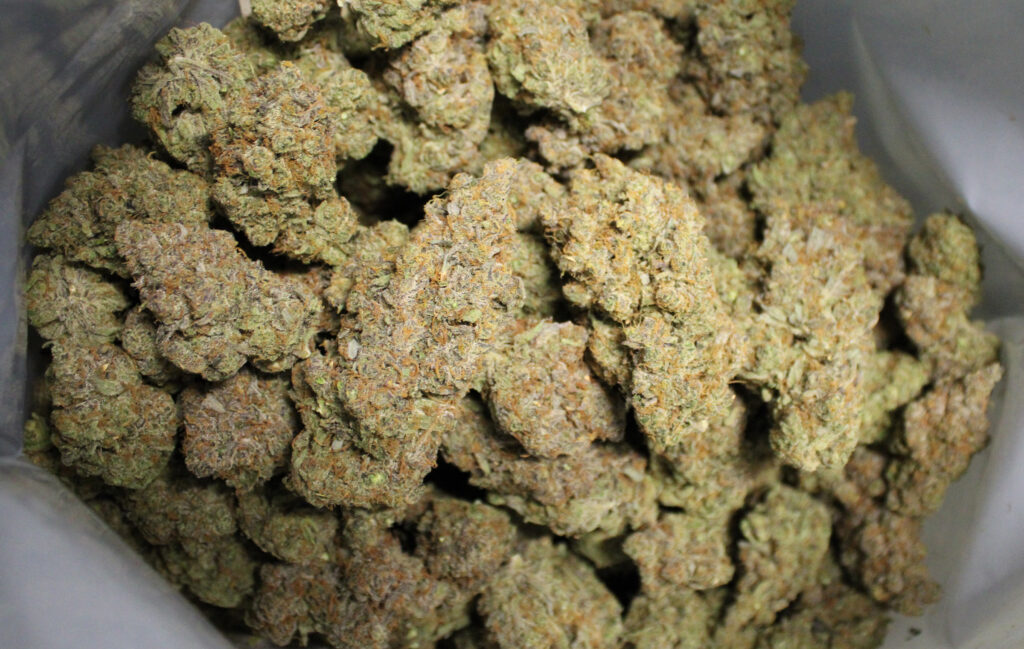
The starting point is craft dried flower. These are whole buds from small-batch crops that have been hang dried, slow cured, and trimmed with care. The aim is to keep trichomes intact, preserve the terpene profile, and deliver reliable aroma and structure from jar to jar.
From there, producers may create craft pre-rolls using whole-flower input rather than leftover shake. Milling happens in small runs so the grind stays even. Rolling is tuned to the size of the paper and the qualities of the flower. In some cases, you will see infused pre-rolls that combine carefully chosen flower with traditional concentrates such as rosin or hash.
Craft concentrates stand on the same foundation. Many are made with solventless methods like rosin pressing. Heat and pressure separate resin from plant material. Traditional hash and sift-based products draw on older techniques that have been part of cannabis culture in regions around the world.
You can find a more detailed breakdown of each format in our guide to the types of craft cannabis products now available in the legal market.

Terpenes are the aromatic compounds that form in the trichomes of the plant. They are responsible for the citrus snap in some cultivars, the fuel note in others, or the forest tones many people connect with BC-grown flower. Each cultivar’s terpene profile is a big part of its identity. Genetics, environment, and handling all influence that profile.
Craft methods are designed to protect terpenes rather than burn through them. Slow, careful drying helps prevent volatile compounds from flashing off. Long curing in controlled conditions lets aroma stabilise instead of fading. Hand trimming and gentle movement keep trichomes on the flower instead of in the bottom of the bag.
Large-scale handling often puts more stress on the plant material. Extra heat, hard contact, and shorter timelines all raise the risk of terpene loss. This is one reason small-batch growers obsess over drying rooms, cure schedules, and handling protocols.
If you want to explore this part of the story in more detail, our article why terpenes matter in craft cannabis looks at how they form and how traditional methods help keep them intact.
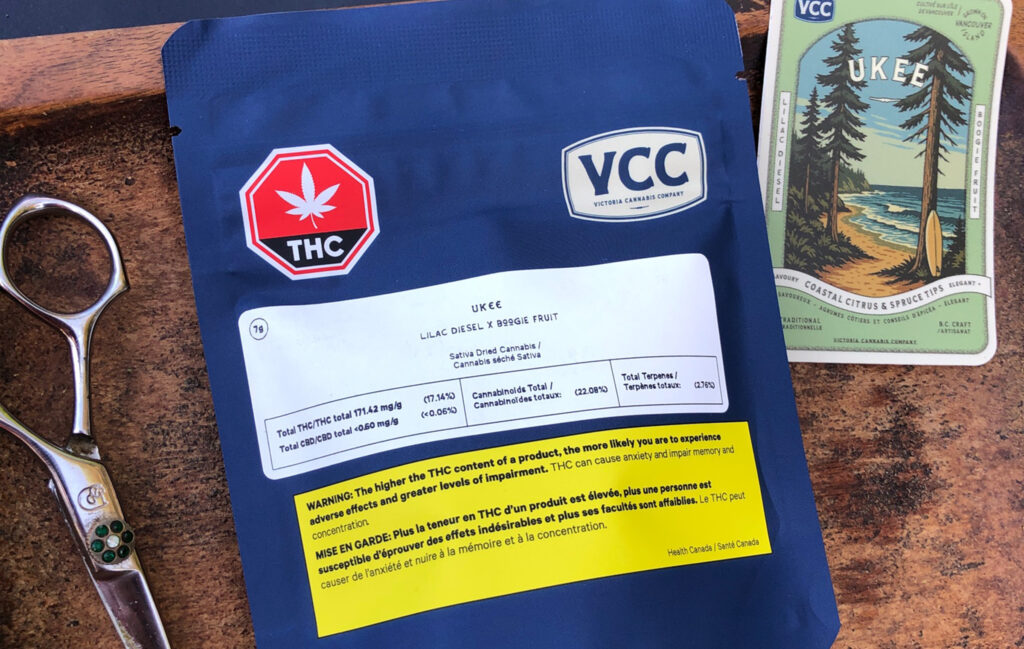
Health Canada issues different licence types. Micro-cultivation and micro-processing licences place limits on canopy size and processing volume. These are often used by small-batch growers who want to stay focused and nimble. Standard licences allow larger canopies and higher output. Every licence type still has to meet the same safety, security, and testing requirements.
Once product is ready to move, provincial distributors handle wholesale. In British Columbia that role belongs to the BC Liquor Distribution Branch. In Ontario it is the Ontario Cannabis Store. Each province has its own system. Every legal product that passes through these channels carries a federal excise stamp, which shows it has gone through the required tax and tracking steps.
None of this creates an official “craft” category. The law regulates how cannabis is produced and sold, but it does not tell you which batches are craft. Community definitions sit on top of this legal spine. Small-batch producers still follow the same testing and packaging rules as the largest operators.
For a closer look at licensing, testing, and how micro producers fit into the system, see our craft cannabis legal rules in Canada guide.
Craft Cannabis in British Columbia

BC’s reputation for craft cannabis stretches back decades. The geography, culture, and economy all helped shape it. For a quick history lesson, check out The History of Cannabis in British Columbia.
Rural areas and small towns gave growers places to learn without a lot of outside attention. People tried new cultivars, swapped cuttings, and compared harvests. Lessons about drying, curing, and storage were passed down informally, but they were taken seriously.
On Vancouver Island, cannabis often fit into broader patterns of seasonal work. Growers balanced their time between the plant, the water, and the woods. That mix of independence and community helped shape the ethics you still see in craft rooms today.
Many of the growers now working with licences in BC, including partners of VCC, come straight from this background. When we talk about traditional craft cannabis, we are not only talking about a set of techniques. We are talking about a culture that formed under pressure and still lives today.
How to Identify Real Craft Cannabis
There is no official stamp that says “this is craft and that is not.” You can still read the signs.
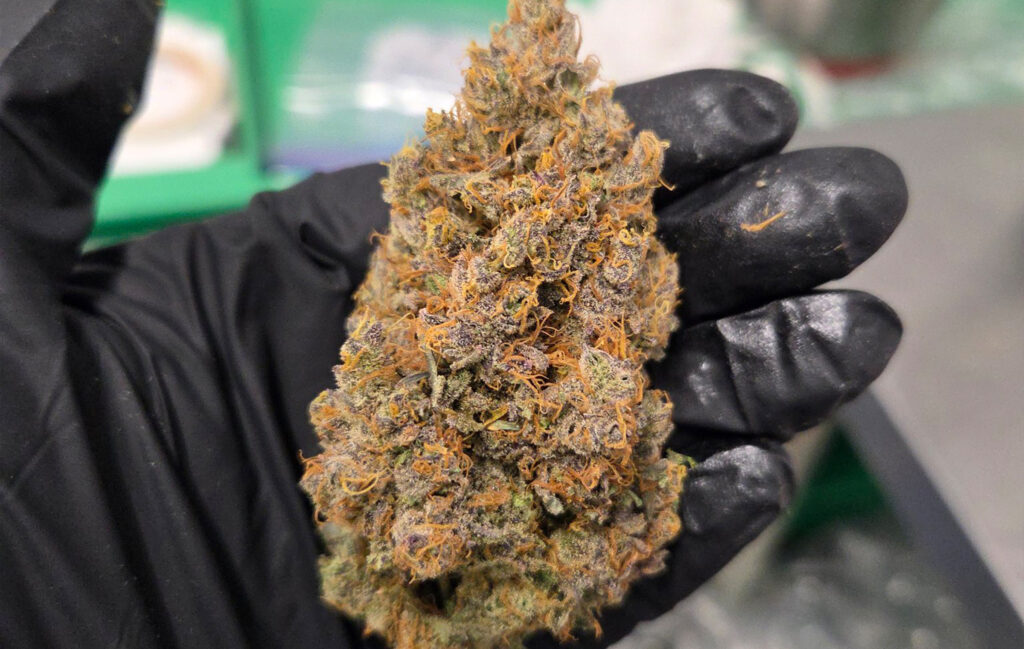
Start with batch size. Craft products usually come from smaller runs. Producers and retailers who care about this will often talk about micro-cultivation, limited canopy, or specific batch stories. Those stories should feel concrete, not generic.
Listen to how producers describe their process. Real craft operators will mention hang drying, long or cold cure, hand or glove trimming, and attention to cultivar genetics and lineage. They will spend more time talking about rooms, methods, and people than about a single test number.
Look closely at the flower. Buds should still look like buds, with clear structure and visible trichomes. Size should be reasonably consistent. When you open the jar, aroma should be present and readable. Many terpene-forward brands also list terpene percentages on the label or the website.
Pay attention to grower stories. Craft producers usually name the people behind the plant, the place they grow, and the values that guide their work. Legacy-informed values show up in how they speak about community, history, and responsibility, not just in how they talk about sales.
None of these signals are perfect on their own. Together, they give you a much better chance of spotting genuine craft production and sorting it from marketing copy.
Victoria Cannabis Company’s Craft Approach
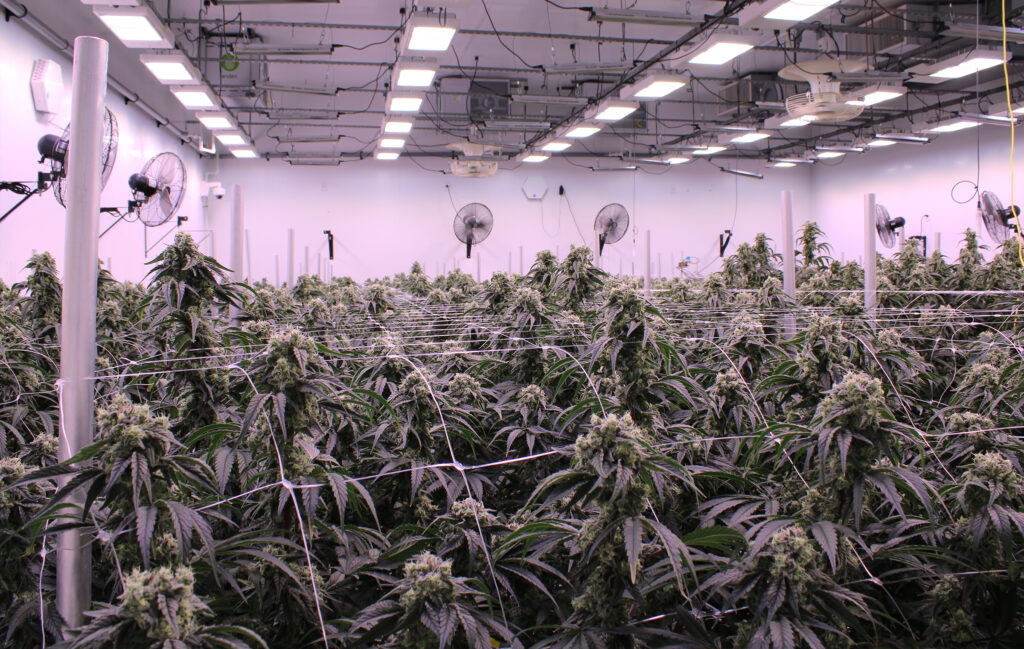
We work with growers who share our legacy-informed values. Most of them have been working with the plant far longer than the legal system has existed. We visit their spaces, walk their rooms, and ask detailed questions about soil or media, irrigation, dry rooms, and cure cycles. We pay attention to how they talk about their teams as much as how they talk about their plants.
Our curation puts values first. We look for small-batch growing, hang drying, cold cure cycles, hand or glove trimming, and thoughtful storage. We care about cultivar genetics and lineage. We choose batches that carry strong aroma, clear identity, and sound structure.
Our role is to connect that work with consumers in a way that respects both. We are not trying to reinvent BC craft. We are trying to give it a clear voice and a stable, legal home in a crowded market.
To learn more about the people behind VCC, start on the Victoria Cannabis Company homepage and explore our craft approach. You can also see where to buy in Victoria or check our Victoria cannabis store listing for local context on Vancouver Island.
Keep Learning About Craft Cannabis
The Craft Cannabis: The Complete Guide is the map. The real depth lives in the pieces it points to. If you want plain-language definitions and a closer look at how community meaning differs from legal language, start with what is craft cannabis? If process is your thing, move on to how craft cannabis is grown and follow the plant from seed to finished flower.
From there, you can compare models in craft vs commercial production, explore the types of craft cannabis products currently on shelves, or dig into why terpenes matter and how small-batch methods protect them. When you are ready to wade into regulations, our craft cannabis legal rules in Canada guide puts key parts of the Cannabis Act into everyday language.
Taken together, these resources are meant to make this site a reliable home base for anyone who wants to understand craft cannabis in Canada, starting from the coast that helped define it.
Craft Cannabis FAQs
When we say “craft cannabis,” we mean small-batch flower grown with traditional, hands-on methods like hang drying, hand trimming, and cold curing. The focus is on aroma, flavour, structure, and careful handling at every step, not cranking out as much volume as possible.
Craft producers work in smaller batches, use traditional methods, and focus on letting each cultivar express itself. Commercial operators usually run at a much larger scale, lean more on automation, and optimise for volume and throughput. Both follow the same legal rules, but the workflow and priorities are different.
Terpenes are the aromatic compounds that give each cultivar its distinct nose and flavour. Slow drying, cold curing, and gentle handling are all about protecting those terpenes so the plant’s character actually shows up when you crack the jar.
Reviewed by: Kyp Rowe, V.P. Brand Development, Victoria Cannabis Company.
This page will be updated as community craft definitions evolve, new artisanal product types emerge, or cannabis laws change in Canada.